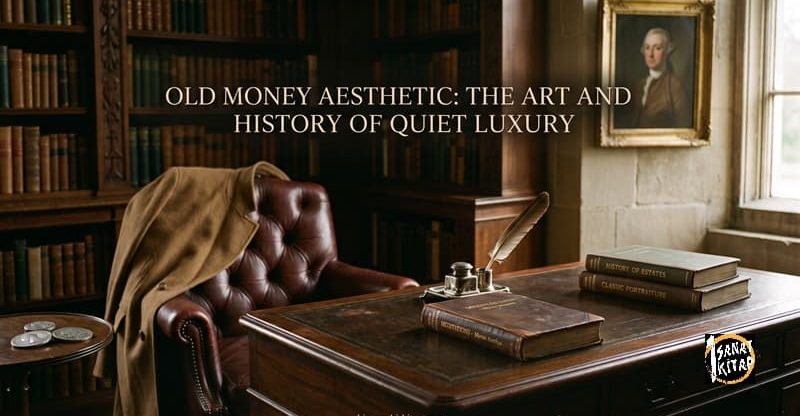
Old Money Aesthetic: The Art, History & Quiet Luxury Guide
The old money aesthetic looks like it was born on TikTok in 2022, all camel coats and tennis whites and captions about “quiet luxury.” In reality, it’s a repackaging of something painters were selling three hundred years before the app existed: the visual language of inherited wealth that never needed to raise its voice. Long before “old money” was a hashtag, portrait painters built entire careers on making that exact quality — unbothered, understated, permanently secure — look effortless on canvas.
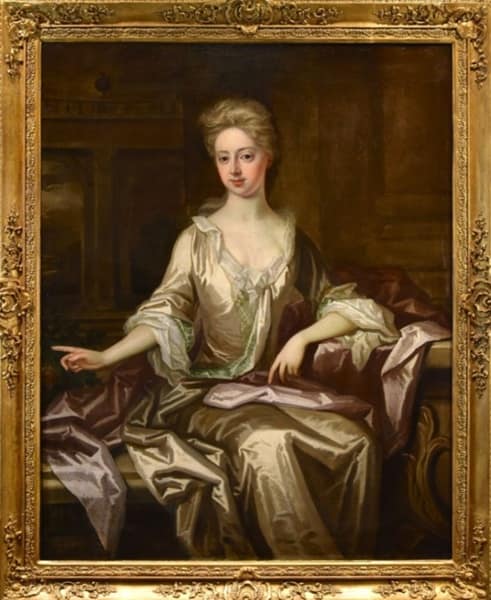
18th-century British aristocrat portrait painting in a gold frame. – Old Money Aesthetic.
What Is the Old Money Aesthetic, Exactly?
Strip away the Pinterest boards, and the trend is really a philosophy of restraint. Where “new money” display leans into logos, glossy surfaces, and visible price tags, the old money aesthetic communicates wealth through material quality instead of branding: well-worn leather, hand-tailored wool, silver that’s tarnished just enough to prove it’s actually old. The goal isn’t to look rich. It’s to look like wealth was never a question worth discussing — inherited rather than announced.
That distinction matters more than the wardrobe. The old money aesthetic isn’t really about money at all; it’s about the aesthetics of not needing to prove anything, which is precisely why it borrows so heavily from art history rather than current fashion.
The Old Master Portraits That Built the Aesthetics’ Visual DNA
Long before Instagram, 18th-century portrait painters like Thomas Gainsborough and, a century later, John Singer Sargent made careers out of painting exactly this kind of unbothered confidence. Their aristocratic subjects rarely smiled or performed for the canvas — they simply existed, dressed in muted silks and hunting jackets, standing in libraries and on country estates, radiating the specific calm of people who never had to ask for anything twice.
That’s the same visual grammar the old money aesthetic recycles today: muted palettes, natural materials, interiors that look inherited rather than purchased last week. Much of it also borrows the golden, warmly lit tonal quality of Old Master paintings themselves — the same instinct toward hidden meaning and quiet symbolism we unpacked in our piece on the layered visual codes hidden inside Renaissance portraiture, where wealth and virtue were communicated through objects and gesture rather than logos.
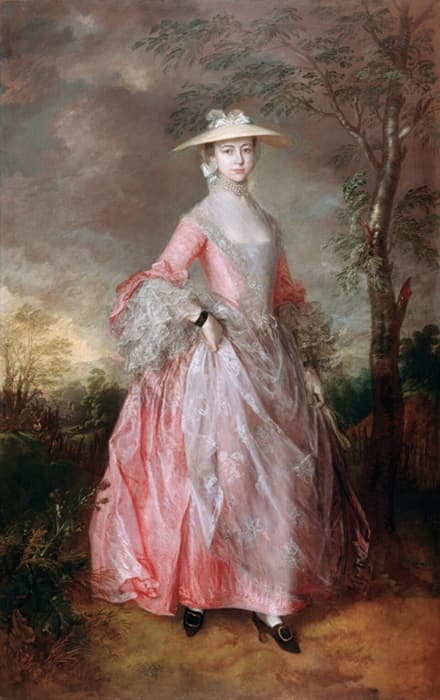
Portrait of Countess Howe, 1764 by Thomas Gainsborough.
Old Money vs. New Money: A Philosophical Divide, Not Just a Style One
Art history actually gives us a clean case study in the opposite direction, too. The Realist movement of the 19th century emerged as a direct rebellion against exactly the kind of aristocratic grandeur the old money aesthetic romanticizes — painters like Gustave Courbet and Jean-François Millet turned their canvases toward laborers, farmers, and ordinary rooms instead of manor houses, arguing that dignity didn’t require a title. Our guide to the painters who built the Realist movement is worth reading as the aesthetic and philosophical counterweight to everything old money represents — proof that “who deserves to be painted with dignity” has always been a contested question in art, not a settled one.
Quiet Luxury, Stoicism, and the Value of Restraint
The old money aesthetic‘s obsession with restraint over display isn’t just a design choice — it echoes something much older than TikTok or even Gainsborough. The Stoics spent centuries arguing that true worth has nothing to do with what other people notice about you, and that chasing visible status is a reliable route to anxiety rather than peace. In our piece on how Marcus Aurelius built a philosophy around what actually deserves your attention, that same instinct shows up almost two thousand years earlier: real security doesn’t need an audience. Whether or not the trend’s fans have ever opened Meditations, the underlying value system is nearly identical.
Dark Academia’s Quieter Cousin
If you’ve spent any time in dark academia spaces, the overlap is hard to miss — both aesthetics prize patina over polish, and “old money” textures show up constantly inside dark academia’s mood boards, from oxblood leather to tarnished brass. The difference is mostly institutional: dark academia romanticizes the library and the classroom, while old money romanticizes the estate and the family name. We cover that adjacent aesthetic in more depth in our guide to dark academia’s art, books, and philosophy, which makes a natural companion read to this one.
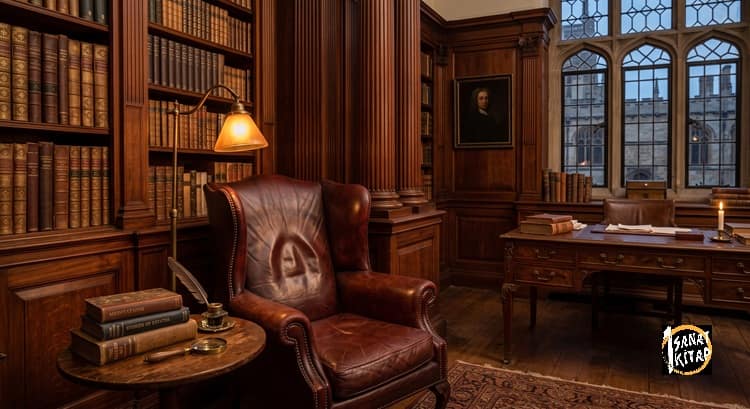
Old Money Aesthetic: The Art, History & Quiet Luxury Guide
Building an Old Money Sensibility That Isn’t Just a Wardrobe
A few ways the aesthetic translates beyond clothing, if you actually want the substance and not just the look:
- Buy fewer things, and buy them for permanence. One real oil painting or a well-bound book collected over the years beats ten trend-driven prints.
- Let objects accumulate a story. A gallery wall built slowly, mismatched frames and all, reads as lived-in in a way a matching set never will.
- Read the books that the aesthetic name-drops, don’t just display them. Classic literature and art history are the actual substance behind the mood board — a well-worn personal library, tracked and actually finished rather than just photographed, is closer to the real thing than any single purchase.
Common Misconceptions Worth Naming
The most common critique of the old money aesthetic is a fair one: it romanticizes generational wealth and, by extension, the exclusion that historically came with it — country clubs, elite universities, and inherited land were never accessible to everyone the trend borrows imagery from. It’s worth holding two things at once: the critique is legitimate, and the underlying values the aesthetic claims to admire — restraint, craftsmanship, permanence over novelty — don’t actually require inherited wealth to practice. You can build a personal library and buy one well-made coat on any budget; you just can’t buy the actual family estate on Pinterest’s terms.
The Bottom Line
The old money aesthetic will probably fade as a hashtag the way every TikTok trend eventually does. What won’t fade is the art history underneath it — three centuries of painters figuring out how to make restraint look more powerful than display, an argument the Stoics were already making in words long before anyone picked up a brush.
References
- “What Defines Old Money Art Style? A Complete Guide.” CityWood, thecitywood.com
- “Old Money Decor Trend: Classic Aesthetics and Artistic Legacy.” OverstockArt, overstockart.com
- “Old Money Aesthetic: Build a Classic, Timeless Art Collection.” The Green Room at 831, thegreenroomat831.com
- www.anticstore.art
- https://en.wikipedia.org/wiki/Portrait_of_Countess_Howe_(Gainsborough)